Visiting Fushimi Inari: How Far Up the Mountain Should You Walk?
Kyoto, Japan
You do not need to reach the summit. Choose where to turn back based on what you want to see, your energy and the rest of your day.
By Heritage Walking · Published 20 October 2026
Official online information checked: 20 October 2026. This guide provides planning suggestions, rather than a firsthand visit report.
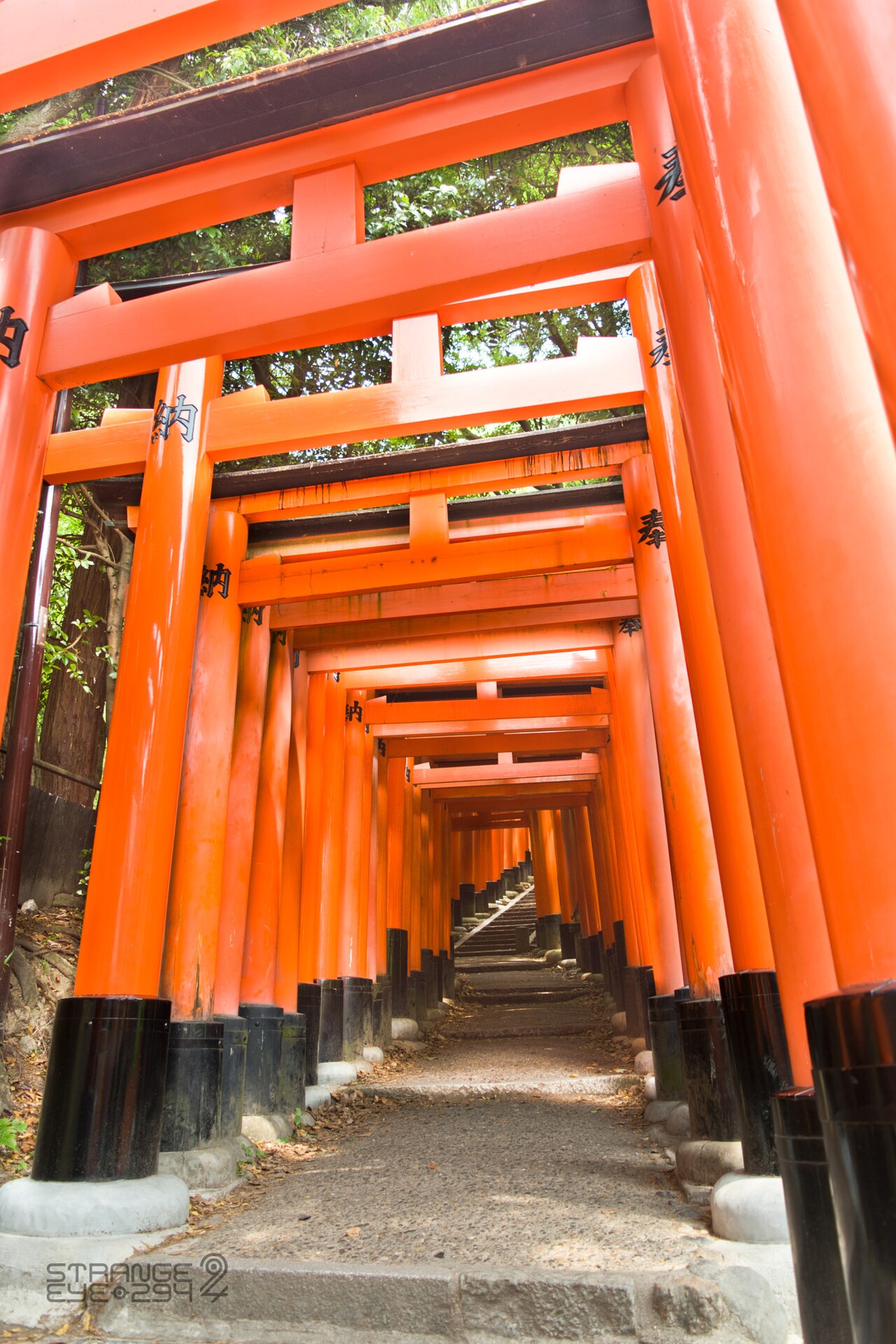
You do not need to reach the summit to have a worthwhile visit to Fushimi Inari. Choose a turning point based on what you want to see, how much walking you feel comfortable doing and what else you have planned.
Our recommendation is to make that decision before setting off, then reconsider it as you go. Continuing higher should be something you want to do, rather than an obligation created by the next marker on a map.
Decide what you came to experience
Start with a simple question: what would make this visit satisfying for you?
You might want to see the main shrine, walk through Senbon Torii, spend time understanding the smaller places of worship, or make a longer mountain outing.
Those are different priorities. You can choose one without promising yourself the others.
The official shrine information describes Inariyama as a sacred mountain with places of worship along the route towards its peaks. There is more to explore beyond the entrance area, but that does not make the highest point the necessary goal of every visitor.
Use Okusha Hōhaisho as a place to reconsider
The shrine's official map places Okusha Hōhaisho at the end of the Senbon Torii gateways. It is a prayer building associated with worship of the sacred mountain.
For planning purposes, it offers a useful moment to ask whether you want to continue. This is our suggested decision point, rather than an official recommendation about how far visitors should walk.
Have you already seen what brought you here? Do you still want a longer outing? Would returning now leave a more comfortable amount of time for the rest of your day?
If the gates and lower shrine area were your main interest, choosing to return is a reasonable way to finish. You do not need to add a mountain objective simply because a path continues.
Understand the scope of the Heritage Walking route
Heritage Walking's route continues past the Yotsutsuji crossroads to Mitsurugi-sha and then returns towards the main shrine. Its stops do not include the summit, and it is not presented as a full circuit of the mountain.
Its audio topics include the main shrine, Senbon Torii, Okusha Hōhaisho, Yotsutsuji and other named mountain locations. An audio topic list should not replace the official map when you decide which physical path to follow.
Before setting off, compare the route with the shrine's map and identify your intended return point. Do not extend your walk solely to complete every audio entry.
Preview the Fushimi Inari route and choose your stops
The audio guide is free in your browser, with no app installation or sign-up, and you can choose which stops to listen to.
Choose your return point around your day
A place name can help you plan, but it should not become a promise that overrides how you feel when you arrive.
| Your priority | Suggested approach |
|---|---|
| Main shrine and torii gateways | Keep the visit focused on those places and review whether to continue at Okusha Hōhaisho |
| A longer walk towards Yotsutsuji | Make it an optional goal and preserve time for the return |
| A particular smaller shrine | Find it on the official map before adding it to your plan |
| An onward booking or journey | Set a finish time and include the walk back to your departure point |
These are planning choices, rather than measured itineraries. They do not establish walking times or describe every section's difficulty.
If you are travelling with others, agree on the plan together. A shorter outing that everyone wants is easier to enjoy than a longer one continued only to finish a list.
Keep the return journey in the plan
When deciding whether to continue, count the return as part of the outing. Reaching your chosen point is only one part of the visit.
Pause before adding another destination, particularly if your next activity has a fixed start time. You can choose a closer return point even if you originally planned to go farther.
For route conditions and any restrictions, follow the shrine's official guidance and signs on site. A saved route or audio entry does not override them.
Give the place your attention
Fushimi Inari is a place of worship. Keep that in mind when pausing for photographs or listening to explanations, and give people room to pass and pray.
You can also put the phone away between stops. The point of choosing a manageable route is to leave attention for the place itself.
Before you begin, decide what you most want to see, where you expect to turn back and when you need to finish. You can revise all three as the visit unfolds.
Related walking route
The audio guide is free in your browser — no app, no sign-up. Palace admission and reservations are separate from using the guide.