Visiting Gyeongbokgung Without a Tour Group: What to See and How to Explore
Seoul, Korea
You can explore Gyeongbokgung independently without turning your visit into a research project. Choose a few places you want to understand, check the palace's opening arrangements, and leave room to stop whenever something catches your eye.
By Heritage Walking · Published 20 October 2026
Official online information checked: 19 October 2026. This guide provides planning suggestions, rather than a firsthand visit report.
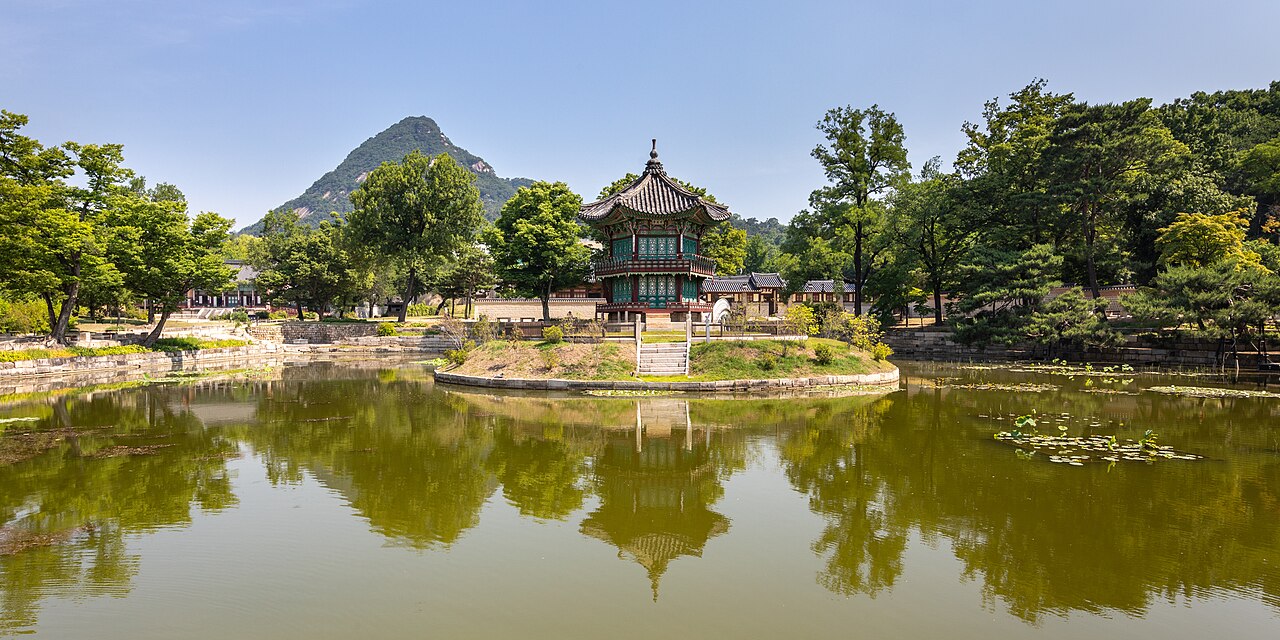
You can explore Gyeongbokgung independently without turning your visit into a research project. Choose a few places you want to understand, check the palace's opening arrangements, and leave room to stop whenever something catches your eye.
The most useful preparation is deciding what you want from the visit: impressive architecture, a glimpse of royal life, or simply time to look around.
Start with a question, rather than a checklist
A palace can become a blur of gates and tiled roofs when every building gets the same amount of attention.
Try carrying one question with you: How did this place work as both a seat of government and a home?
That gives your walk a purpose. You can compare the spaces used to present royal authority with those associated with the people living behind it.
You do not need to remember every building's name to notice the difference.
Choose the places that match your interests
The Heritage Walking route includes Gwanghwamun, Heungnyemun, Geunjeongjeon, Sajeongjeon, Gangnyeongjeon, Gyotaejeon and Hyangwonjeong, followed by the National Folk Museum. You can preview the stops before deciding how much of the route suits your day.
For a manageable starting point, choose a few stops from the route and give each one a different task:
- At a gate: look at how it frames the space beyond.
- In a courtyard: notice the distance between you and the next building.
- Beside a hall: look up at the roof, then down at the stonework.
- Near the pond: put your phone away for a moment and take in the whole scene.
These are suggestions for looking more closely, rather than a fixed itinerary. Follow posted signs and current access arrangements as you explore.
Use explanations when they help you see more
An audio guide is most useful when it draws your attention back to the place in front of you.
Listen to a short explanation, then look again. Can you spot the detail being described? Does the building make more sense now?
You can also pause the audio to talk, take photographs or enjoy the surroundings. An independent visit leaves you free to decide what deserves more time.
Preview the Gyeongbokgung walking map and audio guide
Heritage Walking is free to use in your browser, with no app installation or sign-up. Palace admission is separate from access to the audio guide.
Leave space in your schedule
A route estimate should not become a deadline. Photographs, admission queues, breaks and detours all affect how long you spend.
If another booking follows your palace visit, decide your leaving time first. Choose your stops around that limit, including time to reach an available exit.
Finishing fewer stops with a clear memory of them is a perfectly good palace visit.
Check before you go
Gyeongbokgung normally closes on Tuesdays, with exceptions around public holidays. Opening hours vary by season, so check the official information for your visit date.
Related walking route
- Explore the Gyeongbokgung route — Gyeongbokgung Palace · 8 stops · ~61 min
The audio guide is free in your browser — no app, no sign-up. Palace admission and reservations are separate from using the guide.