Walking Through Gion: What to Know About Streets and Photography
Kyoto, Japan
Plan a Gion walk around the places that interest you, while respecting private property, photography restrictions and everyday life.
By Heritage Walking · Published 20 October 2026
Official online information checked: 20 October 2026. This guide provides planning suggestions, rather than a firsthand visit report.
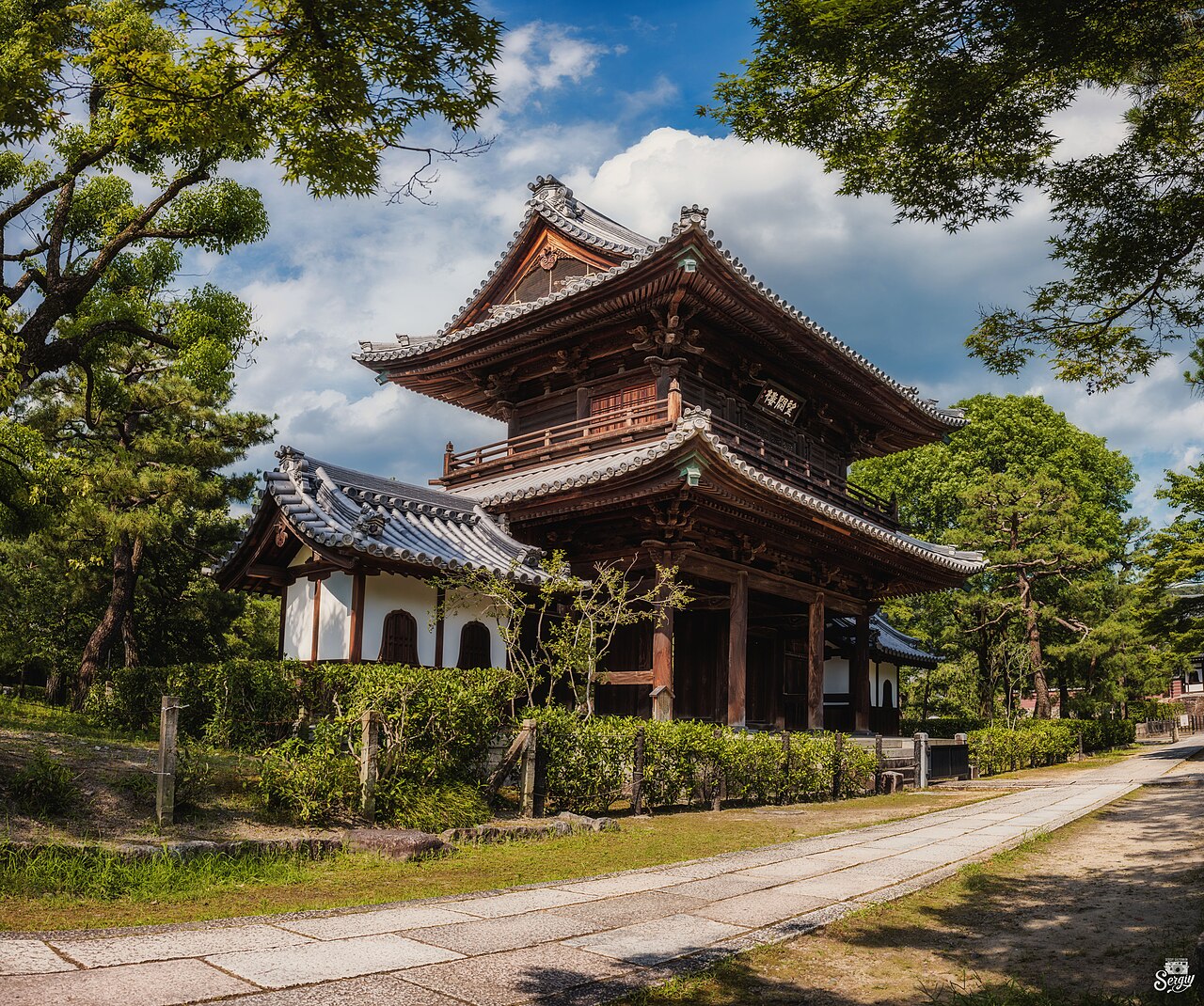
Plan your Gion walk around places you want to understand, and check access and photography permissions separately. A street appearing on a walking map does not mean every adjoining lane, doorway or courtyard is open to visitors.
You can enjoy the district without photographing people or entering places whose access is unclear. Our suggestion is to choose a few stops, follow current signs and leave room to change your plan.
Read the route as a selection of places
Heritage Walking's Gion route includes Yasaka Shrine, the edge of Maruyama Park, Hanamikoji Street, Shinbashi Dori, Shirakawa Canal, Tatsumi Bridge and Tatsumi Shrine, and Kennin-ji.
These names help you identify subjects for your visit. They do not establish the access conditions of every space nearby, or provide permission to enter a building.
Before setting off, decide whether your main interest is walking through the district, visiting a religious site or spending time looking at architectural details. You can combine these interests without treating every stop as compulsory.
Preview the Gion walking map and audio guide
Heritage Walking's audio guide is free in your browser, with no app installation or sign-up, and you can choose which stops to listen to. Any admission tickets or reservations required by individual venues are separate from the guide.
Check access before following an interesting lane
A doorway or side lane can look inviting without being a visitor entrance. If permission is unclear, continue along an accessible route rather than entering to investigate.
Kyoto's official guidance asks visitors to respect private property and avoid entering nearby temple, shrine or private spaces without permission. Follow the signs and directions that apply to the particular place in front of you.
The same principle applies when using your phone. A route marker identifies a location; it does not override a barrier, a restricted-area notice or a staff instruction.
You can skip a stop or approach it differently if current access arrangements require it.
Make photography a separate decision
Before taking a photograph, ask two questions: am I allowed to stand here, and is photography permitted here?
Permission to walk through a place does not automatically answer the second question. Check local signs and venue instructions instead of assuming that another visitor taking a picture establishes permission.
For photographs of people, Kyoto's official advice specifically warns against stopping, touching, following or taking unauthorized photographs or videos of geiko and maiko.
Do not build your walk around an expectation of encountering them. The district offers places to explore without turning someone's working day into a sightseeing objective.
A practical way to approach photography is to decide what detail interests you first. If taking the picture would require entering private property, obstructing movement or ignoring a restriction, leave the photograph untaken.
Leave room for everyday movement
Kyoto's Southern Gionmachi guidance asks visitors not to block roads or sidewalks. It also reminds visitors that the streets concerned are not pedestrian-only spaces.
For your walk, that means choosing where to pause as carefully as choosing what to see. Avoid gathering around a route marker or standing across an entrance while discussing your next stop.
If you are listening to an explanation, find a permitted place where you can pause without obstructing others. If that is not possible, save the explanation for another moment.
You do not need to stop at the exact point shown on your screen to make sense of the place.
Treat shrine and temple visits individually
Yasaka Shrine, Tatsumi Shrine and Kennin-ji should be approached as religious places, rather than interchangeable photographic stops.
Decide which site you actually want to visit, then check its own official information for the areas and activities relevant to you. A stop labelled "main grounds" does not establish access to every building, garden or adjoining space.
If an interior visit matters to your plan, verify its current arrangements before relying on it. If you cannot confirm them, keep that part of the outing optional.
This also helps you avoid organising the whole walk around an opening or activity that the audio route itself does not provide.
Choose your own focus and finish
A manageable Gion plan might centre on a shrine visit, selected streets and canal-side stops, or an individually confirmed temple visit.
Choose the places that interest you, then decide where you want to finish and how you will continue your day. There is no need to complete every audio entry.
The route title includes "Night," and one entry is called "Gion Evening Perspective." Those names do not establish opening hours, recommend a visiting time or promise a particular scene.
Check the arrangements that apply to your chosen places, follow current signs and let the visit take its shape from what is available and appropriate.
Related walking route
The audio guide is free in your browser — no app, no sign-up. Palace admission and reservations are separate from using the guide.